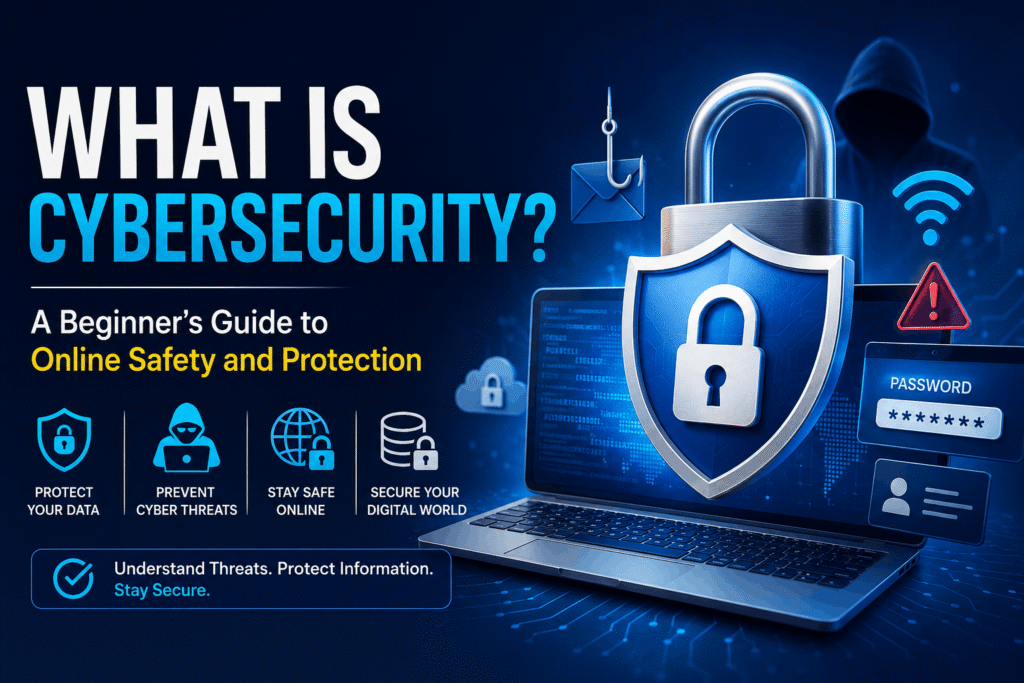
Cybersecurity as a Service (CSaaS) is becoming an important solution for businesses that want to protect their digital systems without building a complete in-house security team. It allows organizations to access professional cybersecurity tools, threat monitoring, and expert support through an external service provider. From small businesses to large companies, Cybersecurity as a Service helps manage security risks and protect important business information.
However, not every company has the budget, technical knowledge, or employees needed to manage a complete cybersecurity department. This is where Cybersecurity as a Service (CSaaS) becomes useful.
Cybersecurity as a Service allows businesses to access professional security tools, monitoring, and expert support through an external provider. Instead of building and maintaining every security system themselves, organizations can outsource selected cybersecurity responsibilities to specialists.
This approach can help businesses improve their security, manage risks, and respond to potential threats without operating a large in-house security team.
In this guide, we will explain what Cybersecurity as a Service is, how it works, its main features, benefits, limitations, and why businesses may consider using it.
What Is Cybersecurity as a Service?
Cybersecurity as a Service (CSaaS) is a model in which businesses receive cybersecurity protection and related services from an external provider, usually through an ongoing subscription or service agreement.
These services can include network monitoring, endpoint protection, cloud security, vulnerability management, threat detection, and incident response.
The main idea is simple: businesses do not need to manage every cybersecurity task internally. They can work with experienced security providers who supply the technology, expertise, and support required to protect their digital environments.
For example, imagine a small online store that collects customer information and processes payments. The business may not have enough resources to hire a full-time security team. By using a cybersecurity service provider, it can receive security monitoring, suspicious activity alerts, and professional assistance when a potential threat appears.
The exact services depend on the provider and the agreement. Some businesses need basic protection, while others require more advanced security monitoring and incident response.
How Does Cybersecurity as a Service Work?
Cybersecurity as a Service works by combining security technology, professional expertise, and ongoing monitoring.
The provider first understands the business’s systems, security requirements, and potential risks. It then recommends suitable security services and connects the required tools to the organization’s existing infrastructure.
A typical CSaaS arrangement works through the following steps:
1. Security Assessment
The provider reviews the company’s existing security setup, including its computers, networks, applications, cloud platforms, and data protection practices.
This assessment helps identify weaknesses that could expose the business to cyber threats.
2. Security Setup and Integration
After identifying potential risks, the provider helps configure suitable security solutions. These may include firewalls, endpoint protection, identity controls, email security, and monitoring systems.
The services are selected according to the organization’s requirements.
3. Continuous Monitoring
Security systems collect information about network traffic, devices, user activity, and other important events.
Security professionals or automated tools analyze this information to identify unusual behavior and possible threats. Depending on the service agreement, monitoring may be available around the clock.
4. Threat Detection and Response
If suspicious activity is detected, the provider investigates the alert and determines whether it represents a genuine security incident.
Depending on the agreed responsibilities, the provider may isolate affected devices, block malicious activity, investigate the incident, or guide the company’s IT team through recovery.
5. Reporting and Improvements
The provider can also deliver security reports, identify recurring weaknesses, and recommend improvements.
This helps businesses understand their security position and make better decisions about future protection.
Key Features of Cybersecurity as a Service
Cybersecurity as a Service can include several security capabilities. The available features depend on the provider and the service package.
Network Security
Network security helps protect business networks from unauthorized access, suspicious traffic, and malicious connections.
Providers may use firewalls, network monitoring tools, and traffic analysis to identify potential security problems.
Endpoint Protection
Endpoints include laptops, desktop computers, mobile devices, and servers connected to a business network.
Endpoint security helps detect malware, suspicious applications, and other threats that could affect these devices.
Cloud Security
Many businesses store important information and operate applications through cloud platforms.
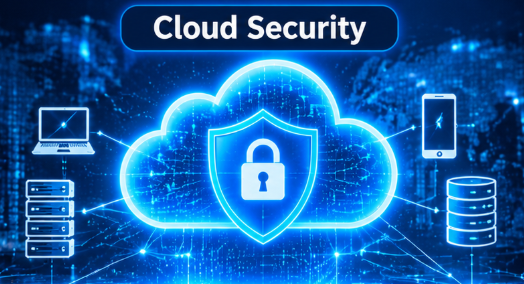
Cloud security services help protect cloud accounts, configurations, applications, and stored information from unauthorized access and security weaknesses.
Threat Detection and Monitoring
Continuous security monitoring helps identify unusual activities that may indicate an attack.
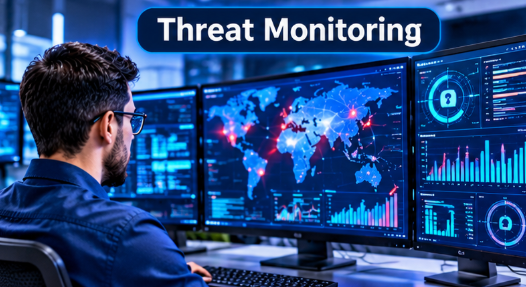
For example, repeated login failures, unexpected access attempts, or unusual data transfers may require further investigation.
Vulnerability Management
Vulnerability management focuses on finding and addressing security weaknesses in software, devices, and systems.
A provider may help businesses identify outdated applications, missing security updates, and configuration problems before attackers can take advantage of them.
Incident Response
When a cyberattack occurs, businesses need a clear response process.
Incident response services help investigate security incidents, limit their impact, and support recovery. The exact response actions depend on the provider’s responsibilities and the agreed service level.
Benefits of Cybersecurity as a Service
For businesses without a large internal security department, CSaaS can provide several practical advantages.
1. Access to Cybersecurity Experts
Hiring experienced cybersecurity professionals can be expensive and difficult, especially for smaller organizations.
A service provider gives businesses access to security specialists without requiring them to build an entire department internally.
2. More Flexible Security Costs
Traditional in-house cybersecurity can involve expenses for employees, software licenses, infrastructure, and ongoing maintenance.
With CSaaS, businesses can often choose a service package that matches their requirements and budget.
Many providers offer subscription-based or contract-based pricing, although the actual cost depends on the services included.
3. Continuous Security Monitoring
Cyber threats do not follow normal business hours.
Some cybersecurity providers offer 24/7 monitoring, helping organizations identify suspicious activities outside regular working hours.
This can be particularly useful for businesses that operate online or serve customers in different time zones.
4. Easier Business Growth
As a business grows, its security requirements usually become more complicated.
It may add employees, devices, cloud applications, and customer databases.
A flexible cybersecurity service can expand alongside the organization, depending on the provider’s capabilities and contract.
5. Reduced Pressure on Internal IT Teams
Internal IT employees often manage multiple responsibilities, including system maintenance, technical support, software updates, and infrastructure management.
Outsourcing selected security tasks can reduce some of this workload and allow internal teams to focus on other business priorities.
6. Better Visibility Into Security Risks
Security reports and monitoring tools can help businesses understand suspicious activities, weaknesses, and potential risks.
This information makes it easier to prioritize security improvements and develop better protection strategies.
Cybersecurity as a Service vs. Traditional Cybersecurity
Both approaches aim to protect business systems and information, but they differ in how security resources are managed.
Traditional cybersecurity often relies on an organization’s internal employees, infrastructure, and security tools. The company is responsible for purchasing, configuring, maintaining, and managing much of its security environment.
Cybersecurity as a Service allows organizations to outsource selected security responsibilities to an external provider.
Here is a simple comparison:
| Feature | Traditional Cybersecurity | Cybersecurity as a Service |
|---|---|---|
| Security management | Mostly internal | Shared with an external provider |
| Security staff | Company hires its own team | Provider supplies agreed expertise |
| Infrastructure | Often managed internally | May use provider-managed tools |
| Pricing | Staff and infrastructure expenses | Often subscription or contract-based |
| Scalability | Depends on internal resources | Can be more flexible |
| Maintenance | Internal IT responsibilities | Depends on service agreement |
Neither approach is automatically better for every organization.
Large companies with experienced security teams may prefer to manage important security operations internally. Smaller businesses may find outsourced services more practical.
Some organizations also use a hybrid approach, combining internal IT employees with external cybersecurity specialists.
How Much Does Cybersecurity as a Service Cost?
The cost of Cybersecurity as a Service depends on several factors, so there is no single price that applies to every business.
A small company with a limited number of devices may need a basic security package. A larger organization with multiple offices, cloud environments, and sensitive customer information may require more advanced protection.
Common pricing factors include:
- Number of employees and devices.
- Size and complexity of the business network.
- Type of security services required.
- Level of monitoring and incident response.
- Cloud infrastructure and applications.
- Reporting, compliance, and support requirements.
- Contract duration and service-level agreements.
Some providers charge monthly subscription fees, while others use per-device, per-user, or customized contract pricing.
Before choosing a provider, businesses should request a clear breakdown of what is included in the price. They should also check whether incident response, additional security tools, and emergency support involve extra charges.
Who Needs Cybersecurity as a Service?
Cybersecurity as a Service can be useful for organizations of different sizes, particularly those that cannot maintain a complete cybersecurity department.
Small Businesses
Small businesses often have limited IT budgets and fewer technical employees.
An external cybersecurity provider can help them manage security tasks and protect important business information.
Startups
Startups frequently use cloud applications, online platforms, and digital tools to operate.
CSaaS can help growing companies establish security practices without immediately hiring a large internal security team.
E-commerce Businesses
Online stores handle customer accounts, payment-related information, and order records.
Security monitoring and protection can help reduce the risk of unauthorized access and data exposure.
Healthcare Organizations
Healthcare providers manage sensitive patient information and depend on digital systems.
They may use specialized security services to strengthen access controls, monitor systems, and support their compliance responsibilities.
Large Organizations
Large businesses may use CSaaS to supplement existing security departments, improve monitoring coverage, or obtain specialized expertise.
The service can also support organizations that operate across multiple locations or cloud environments.
Challenges and Limitations of Cybersecurity as a Service
Although CSaaS offers useful advantages, businesses should understand its limitations before outsourcing security responsibilities.
Dependence on External Providers
When a company relies heavily on an external provider, the quality of its security support becomes partly dependent on that provider.
Businesses should review the provider’s experience, reputation, response procedures, and service commitments.
Data Privacy Concerns
Cybersecurity providers may need access to sensitive system information, security logs, or business infrastructure.
Organizations should understand what information the provider can access, how it is stored, and how it is protected.
Integration Difficulties
Connecting external security services with existing business systems can sometimes be complicated.
Older infrastructure, incompatible tools, and complex networks may require additional setup and technical support.
Limited Control
Outsourcing some security responsibilities means the organization may have less direct control over certain security operations.
Businesses should clearly define which activities the provider manages and which responsibilities remain internal.
Provider Security Risks
An external provider can also become a target for cybercriminals.
A compromised service provider may create risks for its customers. This is why businesses should carefully evaluate vendor security practices, access permissions, incident notification procedures, and contractual responsibilities.
How to Choose the Right Cybersecurity as a Service Provider
Choosing the right provider is an important decision because the company may depend on that provider to protect critical systems and information.
Before signing an agreement, consider these factors:
1. Experience and Expertise: Check whether the provider has experience working with businesses similar to yours.
2. Range of Services: Make sure the provider offers the security capabilities your organization actually needs.
4. Data Protection: Understand how the provider stores, processes, and protects your business information.
5. Service Level Agreement: Review response times, responsibilities, reporting requirements, and service availability.
6. Scalability: Choose a provider that can support your business as its systems and security requirements grow.
7. Clear Pricing: Request a detailed explanation of subscription fees, additional charges, and contract conditions.
A reliable provider should be able to explain its services clearly rather than making unrealistic promises about complete protection.
Is Cybersecurity as a Service Worth It?
Cybersecurity as a Service can be a practical option for businesses that want professional security support without building every capability internally.
It can provide access to experienced specialists, security monitoring, modern tools, and flexible service arrangements.
However, it is not a complete replacement for responsible business security practices. Organizations still need strong passwords, employee awareness, regular software updates, data backups, and clear security policies.
The best approach depends on the company’s size, budget, technology, and risk level.
For businesses that lack internal cybersecurity resources, CSaaS can be a useful way to strengthen protection while allowing employees to focus on their main responsibilities.
Frequently Asked Questions
1. What does Cybersecurity as a Service mean?
Cybersecurity as a Service is a model in which businesses receive cybersecurity tools, monitoring, and professional support from an external provider, usually through a subscription or service agreement.
2. Is Cybersecurity as a Service suitable for small businesses?
Yes. Small businesses can use CSaaS to access professional security services without hiring a full in-house cybersecurity team.
3. What services are included in CSaaS?
Services may include network security, endpoint protection, cloud security, threat monitoring, vulnerability management, and incident response. The exact package depends on the provider.
4. Is Cybersecurity as a Service cloud-based?
Many CSaaS solutions use cloud-based platforms to deliver security monitoring and management. However, some services also include on-site tools and support.
5. What is the difference between CSaaS and MDR?
CSaaS is a broader service model that can include multiple cybersecurity capabilities. Managed Detection and Response (MDR) focuses more specifically on identifying, investigating, and responding to cyber threats.
6. Does Cybersecurity as a Service replace an internal IT team?
No. It can support or handle selected security responsibilities, but businesses may still need internal IT employees to manage their systems, users, and technology.
7. How do businesses pay for CSaaS?
Many providers use monthly or annual subscriptions, while others charge according to the number of users, devices, or services required.
Final Thoughts
Cybersecurity as a Service is changing how businesses approach digital protection. Instead of managing every security responsibility internally, organizations can work with external specialists to access professional tools, monitoring, and support.
For small businesses, startups, and organizations with limited IT resources, this model can offer a practical way to improve security without maintaining a large cybersecurity department.
However, choosing the right provider is essential. Businesses should carefully review service agreements, data protection practices, response capabilities, and pricing before making a decision.
With the right provider and internal security practices, Cybersecurity as a Service can become an important part of a modern business security strategy.