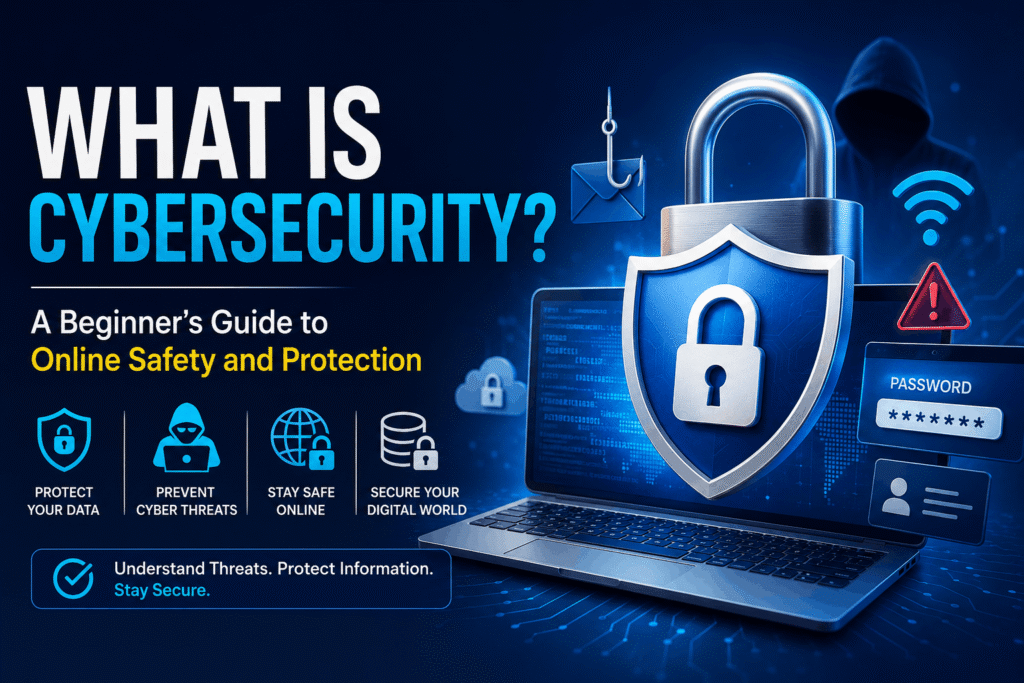
What are cybersecurity software? They are programs and tools designed to protect computers, phones, networks, accounts, and data from online threats. We use internet-connected devices every day for work, shopping, communication, and storing important information, which makes digital security more important than ever.
This is where cybersecurity software comes in.
So, what are cybersecurity software exactly? In simple terms, cybersecurity software refers to programs and tools designed to protect computers, phones, networks, and data from online threats such as malware, viruses, ransomware, phishing attacks, and unauthorized access.
Different cybersecurity programs protect against different types of threats. Some focus on detecting malicious files, while others monitor network activity, protect passwords, or help prevent suspicious websites and emails from causing harm.
In this guide, we will look at what cybersecurity software does, the main types available, and why it is important for both individuals and businesses.
What Is Cybersecurity Software?
Cybersecurity software is a type of computer program designed to identify, prevent, detect, and sometimes remove digital threats.
These threats can come in many forms. A malicious file might infect a computer, a fake website might try to steal your password, or an attacker might attempt to gain unauthorized access to a network.
Cybersecurity software works as a protective layer between your devices and these potential threats.
Depending on the software, it may:
- Scan files for malware
- Block suspicious websites
- Detect unusual activity
- Protect accounts and passwords
- Monitor network connections
- Prevent unauthorized access
- Detect ransomware and other harmful programs
- Alert users when something appears dangerous
No single cybersecurity tool can stop every possible threat, but using the right combination of security tools can significantly improve digital protection.
Why Is Cybersecurity Software Important?
Cyber threats are not limited to large companies or technology experts. Anyone who uses an internet-connected device can potentially become a target.
A personal computer may contain private photos, saved passwords, financial information, and important documents. A business may have customer information, employee records, financial data, and confidential files.
Without appropriate security measures, this information can be exposed or damaged.
Cybersecurity software helps reduce these risks by continuously monitoring devices and looking for signs of suspicious behavior.
For example, antivirus software may detect a malicious file before it can cause damage, while a firewall can help prevent unwanted network connections.
How Does Cybersecurity Software Work?
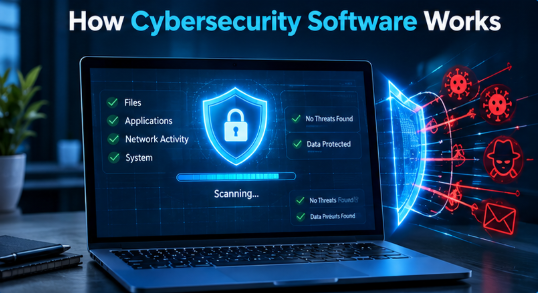
Cybersecurity software can use several different methods to identify and stop threats.
1. Threat Detection
Security programs scan files, applications, websites, and other activity for known or suspicious threats.
Traditional antivirus programs, for example, can compare files against databases of known malicious software.
2. Real-Time Monitoring
Many modern security programs work in real time rather than waiting for the user to start a manual scan.
They can monitor activity in the background and warn users when something suspicious happens.
3. Behavioral Analysis
Some cybersecurity tools look at how a program behaves rather than relying only on known threat signatures.
If an application suddenly begins changing large numbers of files or performing unusual actions, the software may recognize this behavior as potentially dangerous.
4. Automatic Protection
Depending on the product, cybersecurity software may automatically block suspicious files, websites, connections, or applications.
This can be particularly useful because users do not always recognize a cyber threat immediately.
Common Types of Cybersecurity Software
There are many different types of cybersecurity software, and each one has a specific purpose.
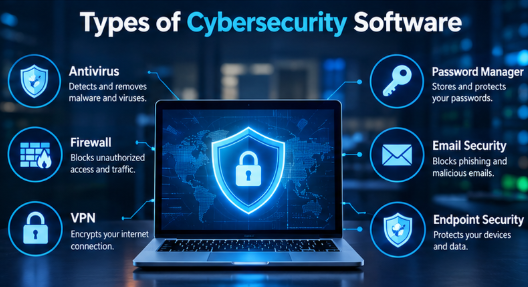
Antivirus and Anti-Malware Software
Antivirus software is one of the most familiar forms of cybersecurity protection.
It is designed to detect and remove malicious programs such as viruses, trojans, spyware, and other types of malware.
Modern antivirus products often do much more than traditional virus scanning. They may also provide real-time monitoring, web protection, and suspicious behavior detection.
Firewalls
A firewall helps control network traffic entering or leaving a device or network.
It can act as a barrier between a trusted network and potentially unsafe connections. Firewalls are commonly used on computers, routers, servers, and business networks.
Password Managers
Passwords are an important part of online security, but remembering a different strong password for every account can be difficult.
Password managers securely store passwords and can help users create stronger, unique passwords.
Using unique passwords for different accounts can also reduce the damage caused if one password is exposed.
Virtual Private Networks (VPNs)
A VPN can create an encrypted connection between a device and a VPN service.
VPNs are commonly used to improve privacy when connecting to the internet, particularly when using public or unfamiliar networks.
However, a VPN should not be considered a complete cybersecurity solution. It does not replace antivirus protection, strong passwords, software updates, or other security practices.
Endpoint Security Software
Endpoint security focuses on protecting devices that connect to a network.
These devices can include laptops, desktop computers, smartphones, and other endpoints.
Businesses often use endpoint security solutions to monitor and protect multiple devices from a central system.
Email Security Software
Email remains a common way for attackers to deliver malicious links, attachments, and phishing messages.
Cybersecurity Software vs. Antivirus Software
These two terms are sometimes used interchangeably, but they are not exactly the same.
Antivirus software primarily focuses on detecting and protecting against malware.
Cybersecurity software is a broader category that can include antivirus programs, firewalls, password managers, VPNs, email security tools, endpoint protection, and other security solutions.
In other words, antivirus software is one part of the larger cybersecurity picture.
What Threats Can Cybersecurity Software Help Prevent?
Different security tools are designed to address different threats.
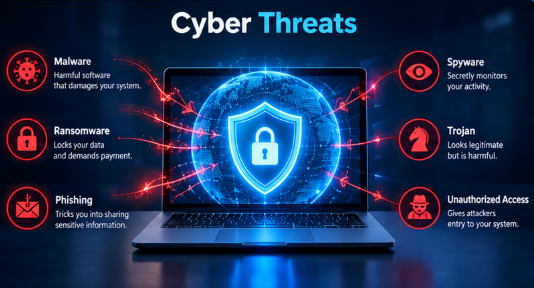
Some common threats include:
- Viruses: Malicious programs that can replicate and spread.
- Ransomware: Malware that can lock or encrypt files and demand payment.
- Spyware: Software designed to secretly collect information.
- Trojans: Malicious programs that disguise themselves as legitimate software.
- Phishing: Fake messages or websites designed to trick people into revealing information.
- Adware: Software that may display unwanted advertisements and sometimes track user activity.
- Unauthorized access: Attempts to access systems, accounts, or networks without permission.
The effectiveness of protection depends on the particular software, how it is configured, and whether it is kept up to date.
Do You Really Need Cybersecurity Software?
For most people who regularly use internet-connected devices, some form of security protection is a sensible part of digital safety.
Modern operating systems already include certain built-in security features, so users may not always need to install several separate programs.
The important thing is to understand what protection your device already provides and identify any gaps.
For example, someone who uses a computer for online banking, email, shopping, and work may want stronger protection than someone who rarely connects a device to the internet.
Businesses typically have more complex security requirements because they may need to protect multiple users, devices, networks, and large amounts of sensitive information.
How to Choose Cybersecurity Software
Choosing cybersecurity software does not have to be complicated.
Start by thinking about what you actually need to protect.
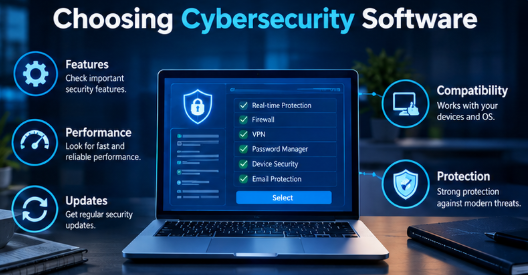
Consider Your Devices
Think about whether you need protection for a Windows PC, Mac, smartphone, tablet, or several different devices.
Check the Features
Look for features that match your needs, such as malware protection, real-time monitoring, web protection, firewall capabilities, or password management.
Consider Performance
Security software should protect your device without making normal activities unnecessarily difficult or slowing the system significantly.
Look at Update Support
Cyber threats change constantly. Security software should receive regular updates so it can recognize newer threats.
Avoid Installing Too Many Security Programs
More security software does not automatically mean better security.
Installing multiple programs that perform the same job can sometimes cause conflicts or unnecessary system load. It is generally better to use a well-configured security setup that covers the areas you actually need.
Cybersecurity Software Is Only One Part of Online Safety
Even the best security software cannot replace safe online habits.
Users should also:
- Keep operating systems and applications updated.
- Use strong and unique passwords.
- Enable multi-factor authentication where available.
- Avoid opening unexpected attachments.
- Check links carefully before clicking them.
- Download software from trusted sources.
- Back up important files regularly.
- Be cautious when using public Wi-Fi.
- Learn how to recognize common phishing attempts.
These simple habits, combined with appropriate security software, can provide a stronger overall defense.
Final Thoughts
So, what are cybersecurity software?
They are tools designed to help protect computers, mobile devices, networks, accounts, and data from a wide range of digital threats.
There is no single program that can provide perfect protection against every cyberattack. Instead, effective cybersecurity usually involves multiple layers of protection, including security software, strong passwords, regular updates, backups, and careful online behavior.
As our dependence on digital technology continues to grow, understanding basic cybersecurity has become important for almost everyone. You do not need to be a security expert to improve your online safety. Starting with the right tools and a few good habits can make a meaningful difference.
Frequently Asked Questions
What is cybersecurity software?
Cybersecurity software is a collection of programs and tools designed to protect devices, networks, accounts, and data from cyber threats such as malware, phishing, ransomware, and unauthorized access.
Is antivirus software cybersecurity software?
Yes. Antivirus software is one type of cybersecurity software. Cybersecurity is a broader category that also includes tools such as firewalls, VPNs, password managers, email security, and endpoint protection.
Can cybersecurity software stop all cyberattacks?
No. Security software can detect and block many threats, but no software can guarantee complete protection from every cyberattack. Safe online habits and regular updates are also important.
Is cybersecurity software necessary for personal computers?
Most people can benefit from having appropriate security protection on internet-connected devices. Many modern operating systems already include built-in security features, so the exact software needed depends on the device and how it is used.
What is the difference between antivirus and cybersecurity?
Antivirus mainly focuses on detecting and removing malware, while cybersecurity covers a much broader range of protection methods and technologies used to secure devices, networks, accounts, and information.